The players redefining the women's game
Goal-scorers, generals and goalkeepers — the personalities likely to define the 2027 finals, from the favourites of Spain and England to the rising sides of Australia and Canada.
Read profilesFrom a clubroom in Wellington to the floodlights of the World Cup, Women of the Cup follows the players, the tactics and the stories shaping the most exciting era women's football has ever known. The 2027 FIFA Women's World Cup — hosted by Brazil, the first ever staged in South America, with 32 teams — is the backdrop to everything we cover.
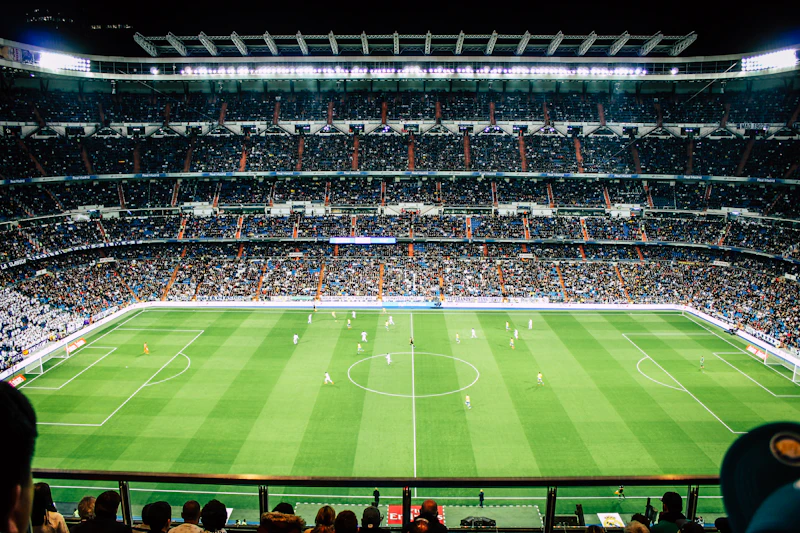
Profiles, history, the development of the game, and long-form reporting — all written from a New Zealand perspective for readers who want depth, not just scores.
Goal-scorers, generals and goalkeepers — the personalities likely to define the 2027 finals, from the favourites of Spain and England to the rising sides of Australia and Canada.
Read profilesFrom the inaugural 1991 tournament in China to the record-breaking 2023 edition co-hosted by Australia and New Zealand — the moments that built a global game.
Walk the timelineProfessional leagues, pathways for girls, equal-pay battles and broadcast deals — the off-pitch work that turns talent in Norway or the Netherlands into world-class teams.
See what's changingOur flagship long-form essay on how co-hosting a World Cup reshaped football for a generation of New Zealand girls — and what comes next.
Read the essayBrazil 2027 will be the first Women's World Cup staged in South America — and the second and last to feature 32 teams before the tournament expands to 48 in 2031. Expect debutants and surprises alongside familiar giants.
Europe still sends the favourites — Spain, England, France and Germany — but the gap is closing fast as investment spreads across the continent.
For the southern hemisphere, the legacy of 2023 lingers. New Zealand and Australia proved the women's game can fill stadiums and headlines alike.